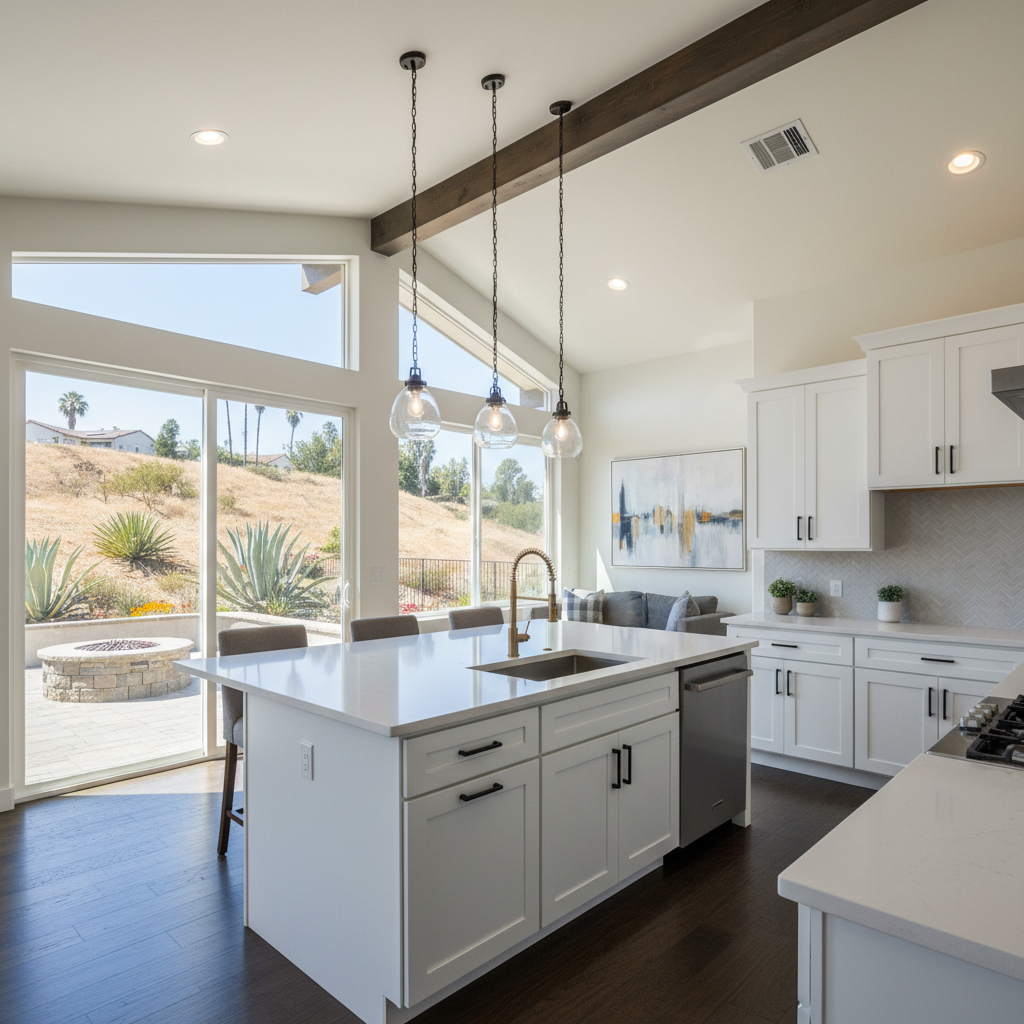
Alright, let's talk open kitchen conversions. It's one of the most popular projects we do here in Corona, and for good reason. Tearing down that wall, opening up the space – it just changes everything about how you live in your home. But before you get too excited about knocking down walls, you need a plan. A real plan, not just a Pinterest board. I've seen enough remodels to know what works and what doesn't, so let's break it down.
Your Open Kitchen Conversion Timeline
People always ask me, "How long is this going to take?" And the honest answer is, it depends. But I can give you a pretty good idea of what to expect. For a full open kitchen conversion, where you're moving walls, maybe rerouting plumbing or electrical, and getting all new cabinets and finishes, you're looking at a solid 8 to 16 weeks of actual construction time. That's once we've started swinging hammers.
But that's not the whole story. Before construction even begins, you've got a crucial planning phase. This includes design, material selection, getting permits, and ordering custom items. This pre-construction phase can easily add another 4 to 12 weeks, sometimes more if you're really particular about your materials or if we hit a snag with city permits – especially with some of the older homes in areas like South Corona where the original plans might be a bit vague.
So, from the moment you decide you want an open kitchen to the day you're cooking in it, you should realistically budget 3 to 6 months, maybe even longer for complex projects. Don't let anyone tell you it's a two-week job for a full conversion; they're either cutting corners or just plain wrong.
What to Expect During the Process
Once we start, things move fast, but it's not always pretty. Here's the general flow:
- Demolition: This is where the magic (and the mess) begins. Walls come down, old cabinets get ripped out. It's loud, it's dusty, and it's usually done in a few days. We'll put up dust barriers, but expect some dust to sneak through. It always does.
- Rough-ins: This is when the electricians run new wires, plumbers move pipes, and HVAC guys adjust ducts. If we're moving a load-bearing wall, this is also when the structural work happens – putting in new beams and making sure everything is up to code. This part is critical and takes time to get right.
- Inspections: The city of Corona will send inspectors to check the rough-in work. Nothing gets covered up until they give the green light. This can sometimes cause slight delays if an inspector is backed up, but it's a necessary step for your safety and home value.
- Drywall & Flooring Prep: Once rough-ins pass, we'll patch up walls, hang new drywall, and get the floor ready for its new finish.
- Cabinet Installation: This is a big one. Your new cabinets go in, and suddenly, you can start to see your kitchen taking shape.
- Countertops: After cabinets, the countertop templating happens, then installation. This usually involves a separate crew and can take a week or two from template to install.
- Finishing Touches: Plumbing fixtures, appliances, backsplash, painting, lighting, trim work – all the details that bring it all together.
Throughout all of this, expect noise, workers in your home, and limited access to your kitchen. It's a temporary disruption for a permanent upgrade.
How to Prepare Your Home and Family
Preparation is key to keeping your sanity during a remodel. Trust me on this one.
- Set up a Temporary Kitchen: This is non-negotiable. Think microwave, toaster oven, mini-fridge, and a utility sink if you have one. You'll be eating a lot of takeout, but having a functional space for coffee and simple meals is a lifesaver.
- Clear Out the Area: Empty all your kitchen cabinets and drawers. Pack up anything in adjacent rooms that might get dusty or in the way.
- Protect Your Belongings: Cover furniture in nearby rooms with plastic sheeting. Take down curtains, wall art, and anything fragile.
- Plan for Pets and Kids: If you have pets, consider boarding them or setting up a safe, quiet space away from the construction zone. For kids, explain what's happening and set boundaries for their safety.
- Communicate: Talk to your contractor regularly. Ask questions. Address concerns as they come up. A good contractor, like us at Aim High Kitchen Remodeling, will keep you in the loop, but you should also be proactive.
Questions to Ask Before Signing a Contract
Before you commit to anyone, you need to ask the right questions. This isn't just about price; it's about trust and competence.
- Are you licensed and insured? Get their license number and check it with the CSLB. Ask for proof of liability and workers' compensation insurance. Don't skip this.
- Can I see your portfolio and talk to references? Look at their past work, especially open kitchen conversions. Call their references and ask about their experience, communication, and how issues were handled.
- What's included in the quote? Get a detailed breakdown. What about demolition, debris removal, permits, temporary dust barriers, clean-up? Make sure there are no hidden costs.
- Who will be managing the project day-to-day? Will it be the owner, a project manager, or will I be coordinating trades myself? You want a clear point of contact.
- What's your payment schedule? A reputable contractor won't ask for a huge upfront deposit. Payments should be tied to completed milestones.
- How do you handle change orders? Changes happen. You need to know the process for documenting and approving any changes to the scope or cost.
- What's your warranty on labor? Good contractors stand behind their work.
- How do you protect my home during construction? Ask about dust control, floor protection, and daily clean-up procedures.
An open kitchen conversion is a big investment, but it's one that truly transforms your home. Do your homework, ask the tough questions, and partner with a contractor who knows their stuff. When you're ready to talk specifics for your Corona home, give us a call at Aim High Kitchen Remodeling. We're here to help you get it right.