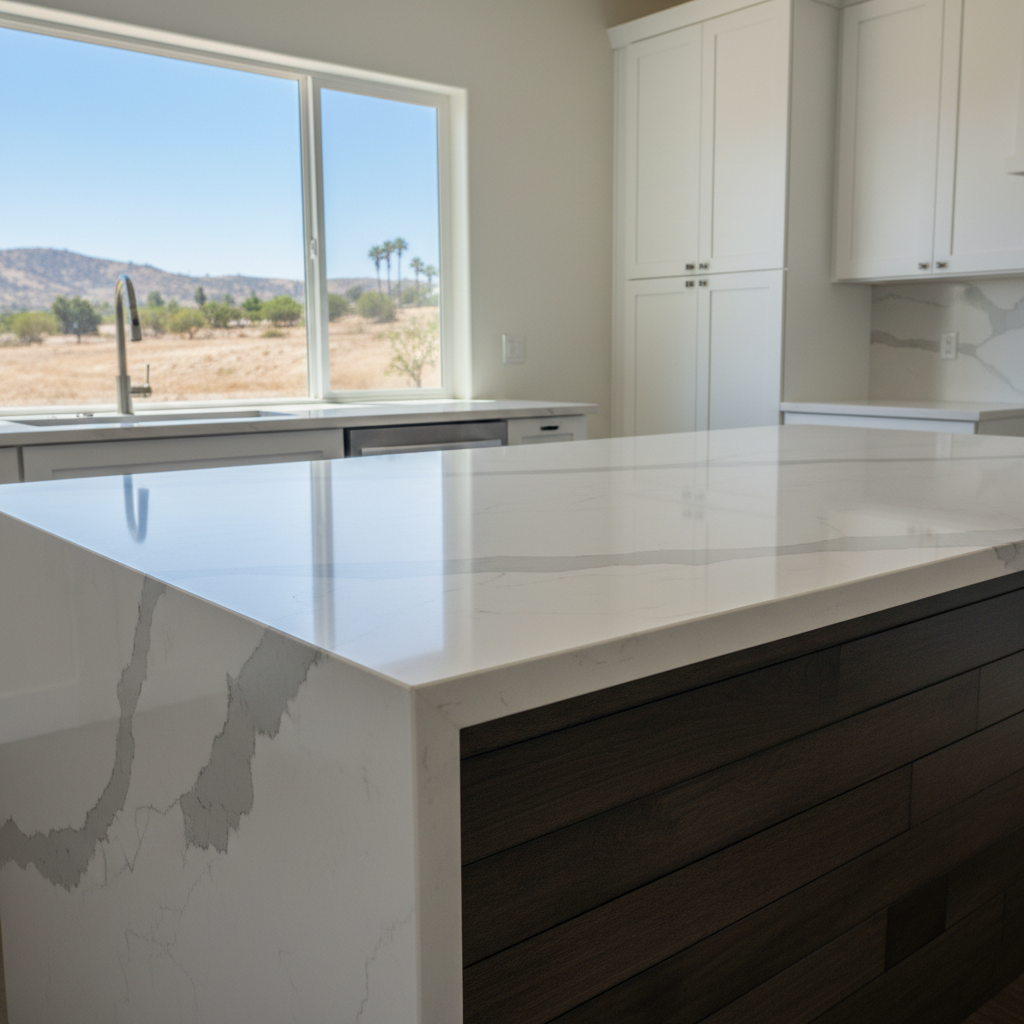
Alright, let's talk kitchen islands. I get a lot of questions about these, and for good reason. They're a big focal point, and getting one installed right makes a huge difference. Here are the straight answers to what folks in Corona usually ask me.
Do I need a permit to add a kitchen island?
This is probably the most common question, and the answer is: it depends. If you're just dropping in a freestanding, movable island that doesn't have any plumbing or electrical connections, then no, you usually don't need a permit. It's basically furniture at that point.
But if you're talking about a fixed island — one that's bolted to the floor, has a countertop, and especially if you're running new electrical lines for outlets, or new plumbing for a sink or dishwasher — then absolutely, you'll need a permit from the City of Corona. This isn't just red tape; it's about safety. We're talking about power, water, and sometimes even gas lines. You definitely don't want a fire hazard or a leaky pipe in your new kitchen, and the permit process ensures everything is up to code. I always handle the permit process for my clients at Aim High Kitchen Remodeling; it's part of doing the job right, plain and simple.
How much space do I really need around a kitchen island?
This is critical for flow and function, you know? The general rule of thumb, and what the building codes often lean towards, is at least 36 inches of clear walkway space around all sides of the island. That's the minimum. If you have multiple cooks in the kitchen, or if it's a high-traffic area, I usually recommend 42 inches, or even 48 inches if you have the room. Think about opening appliance doors – like your dishwasher or oven – and still having enough space to walk by. You don't want to feel cramped. I've seen kitchens in older Corona homes, especially those built in the 70s and 80s, where the original layout just doesn't offer much space, so we have to get creative or adjust expectations.
Can I put a sink or cooktop in my island?
You sure can, and it's a popular choice for good reason. It can make your kitchen much more functional, creating a great work triangle. However, it significantly complicates the installation. For a sink, you're looking at running new water supply lines and a drain line under the floor. For a cooktop, you'll need a dedicated electrical circuit (for electric) or a gas line (for gas), plus a proper ventilation hood above it. This means cutting into your slab foundation, running new pipes and wires, and then patching it all up. It's definitely more involved and costly than just a simple island with storage, but for many, the convenience is worth it. Just be prepared for a bit more disruption during the install.
What's the typical timeline for island installation?
Again, this varies a lot based on complexity. If it's a simple, non-plumbed/non-electrified island with a pre-fab countertop, we might be looking at just a few days of actual installation work, once all materials are on site. But if you're adding plumbing, electrical, a custom countertop, and especially if you need to pull permits and wait for inspections, the whole process from start to finish can easily stretch to 2-4 weeks, or even longer. The biggest delays usually come from waiting on custom countertop fabrication or permit approvals. We always try to give you a realistic timeline upfront so you know what to expect.
What kind of flooring issues should I expect?
This is a big one that often gets overlooked. If you're putting an island where there wasn't one before, you're going to expose the floor underneath. If you have continuous flooring like tile or hardwood that was installed before the original cabinets, you might have a gap or an unfinished area where the old cabinets used to be. Or, if your new island is a different size or shape than what was there, you'll have exposed subfloor. This means you'll likely need to patch in new flooring, or even consider replacing the entire kitchen floor to get a seamless look. It's rarely a simple matter of just dropping the island in. We always check the flooring situation early on so there are no surprises.
How do I choose the right size and style for my island?
First, go back to that space requirement – don't make it too big for your kitchen. Measure everything out. Then, think about how you'll use it. Is it just for prep? Do you want seating? A breakfast bar? Storage? Appliance space? All these factors dictate the size and configuration. Style-wise, you want it to complement your existing kitchen cabinets and overall home aesthetic. You don't have to match perfectly, but it should feel cohesive. For example, if you've got a modern home in The Preserve, a sleek, minimalist island might fit perfectly. But if you're in a more traditional home near the Corona Hills, something with raised panel doors and a warmer tone might be better. We can help you with design mock-ups to visualize it before we build anything.